Discover how AI is transforming global trade with email automation, AI lead generation, and smart compliance solutions. Stay ahead with EximGPT.
Davos Pham•6/1/2025

Navigating the complex world of international trade requires precision, especially in the final stages of a shipment's journey. While customs clearance is a monumental milestone, its completion only marks the transition to the crucial final mile of logistics. Importers and exporters often ask: what happens after customs clearance is completed? Understanding this post-clearance roadmap is essential for achieving a top-tier supply chain and ensuring your goods reach their final destination smoothly.
This comprehensive guide outlines the vital steps and best practices for optimizing your logistics flow after your shipment receives its final release from customs, transforming what could be a bottleneck into a competitive advantage.
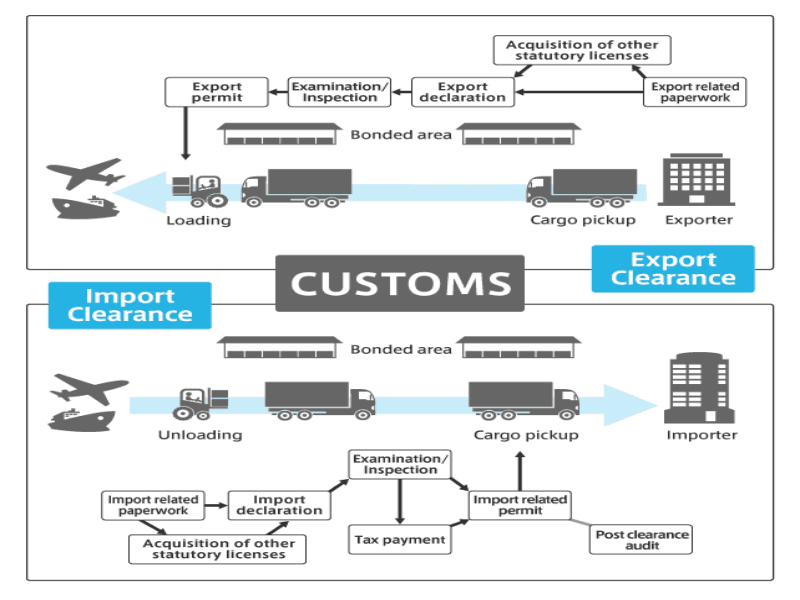
Successfully clearing customs means your goods are legally permitted to enter the country, but the physical journey is far from over. This phase, often called "Post-Clearance Logistics," requires swift, coordinated action across transportation, inventory, and quality control.
The immediate first step is verification. Do not assume clearance is automatic upon payment of duties. A successful customs process results in a final release notice. Failure to confirm this status can lead to costly demurrage or storage fees at the port or terminal. You must verify that all customs holds are lifted, duties and taxes are settled, and no further documentation is required.
Action Point: Obtain a final clearance document or tracking confirmation from your customs broker or freight forwarder, explicitly stating the goods are released for domestic movement. Use your platform (like EximGPT) to log this documentation for compliance and future audits.
Once confirmed, the most pressing concern is physical movement. The transport phase transitions from international to domestic logistics. This typically involves arranging drayage—the specialized transport of the shipping container from the port/terminal to a designated warehouse or distribution center.
The efficiency of this step dictates the total transit time and can significantly impact cost. Depending on the distance and volume, this leg might involve dedicated trucking, intermodal rail, or specialized cargo carriers. Securing capacity in advance is crucial to avoid delays.
Action Point: Coordinate in-gate and out-gate times with the port and your trucking company. Utilize real-time tracking systems to monitor the domestic movement and preemptively address potential transit delays.
Upon arrival at your facility, a meticulous quality control (QC) check is non-negotiable. The stresses of ocean or air transit, handling at the port, and domestic transportation can result in damage, pilferage, or discrepancies.
This inspection is not merely about physical damage; it’s also about verifying the quantity, product integrity, and compliance with local receiving standards. For sensitive cargo, like perishables or high-value electronics, this step is paramount to protecting your investment.
Action Point: Implement a standardized receiving protocol. Cross-reference the final packing list and Bill of Lading (B/L) against the actual goods received. Immediately document and photograph any discrepancies for insurance claims and carrier liability purposes.
With QC complete, the goods are officially integrated into your inventory. This involves slotting them into the correct warehouse locations and updating stock levels in real-time within your Enterprise Resource Planning (ERP) or Warehouse Management System (WMS). Accuracy in this step prevents stock-outs or over-selling.
The seamless transition of goods from the customs environment to available stock defines your supply chain's velocity.
Action Point: Use advanced inventory management tools (like those integrated with EximGPT platforms) to ensure the physical location matches the digital record, facilitating rapid order fulfillment and optimizing warehouse space.
For a truly successful supply chain, particularly in the realm of global solutions, every step must be scrutinized for continuous improvement. Simply completing the delivery is insufficient; the ultimate goal is optimal efficiency and reduced cost in future shipments.
With the inventory updated and quality verified, the final action is distribution. Depending on your business model (B2B, B2C, retail, or e-commerce fulfillment), the goods must be swiftly moved to final retail shelves, third-party fulfillment centers, or directly to waiting customers. The speed and accuracy of this final distribution phase directly impacts customer satisfaction and your brand's reputation.
Action Point: Coordinate with your distribution team and last-mile carriers to ensure efficient routing and shipment consolidation, maximizing speed-to-market and minimizing final delivery costs.
After the successful delivery, the final, crucial step is a retrospective audit. Review the timeline, the total costs incurred (including duties, fees, and penalties), and any unexpected issues. This feedback loop is essential for refining your Standard Operating Procedures (SOPs). Was the customs process delayed? Was the drayage cost-effective?
This systematic review ensures that the entire process—including the handling of what happens after customs clearance is completed—is continually optimized for performance and cost.
Action Point: Schedule a review meeting with all stakeholders (sourcing, logistics, finance, and customs broker) to identify bottlenecks, measure KPIs (Key Performance Indicators) against targets, and implement corrective actions for future shipments, ensuring peak performance.

Understanding the intricate journey of what happens after customs clearance is completed is the hallmark of a resilient and competitive supply chain in the sphere of international trade. By treating post-clearance logistics not as an afterthought but as a series of critical, manageable steps, businesses can ensure seamless product flow, minimize delays, and provide a superior customer experience. Leverage robust platforms and expert partners for unparalleled global solutions in your logistics strategy to maintain a competitive edge.
Ready to experience sales without limits? Discover how Exim AI Agent can help you scale faster, smarter, and farther than ever before.
Contact us or sign up for a demo today!
Related post:
Discover how AI is transforming global trade with email automation, AI lead generation, and smart compliance solutions. Stay ahead with EximGPT.
Email automation refers to the use of software to send pre-scheduled, targeted, and personalized emails to customers and prospects....

Discover the best B2B lead generation methods. Compare global trade data vs. trade shows, B2B platforms & ads. Grow faster with smarter strategies.
Businesses can spend hours filtering through information from various sources, only to end up unsure whether a lead fits their product,...
We use cookies
We use cookies to improve your experience, analyse traffic, and deliver personalised content and ads. Essential cookies for security and core functionality are always enabled. By clicking "Accept", you consent to our use of additional cookies.
For more information, see our privacy policy.