Discover how AI is transforming global trade with email automation, AI lead generation, and smart compliance solutions. Stay ahead with EximGPT.
Davos Pham•6/1/2025
The journey of a package in international trade is filled with checkpoints, but none generates more anxiety than customs clearance. Whether you are an importer waiting for a critical shipment or a consumer tracking a purchase, seeing the status "In Customs" can feel like hitting a wall. The critical question everyone asks is: "how long does a package take to clear customs?"
The simple answer is: it varies widely, but most of the time, the process is incredibly fast. Most routine, low-risk shipments with accurate, complete documentation clear customs in less than 24 hours to 3 days. Air freight cargo, due to its inherent urgency and often complete electronic pre-filing, can sometimes clear in a matter of hours. Ocean freight, which requires more manual handling and has high port volumes, typically takes 1–2 days.
However, the difference between a lightning-fast clearance and a costly, week-long hold often comes down to preparation and compliance. This in-depth guide breaks down the standard timelines, exposes the major causes of delay, and provides actionable strategies for businesses to leverage global solutions to ensure their packages move as quickly as possible.
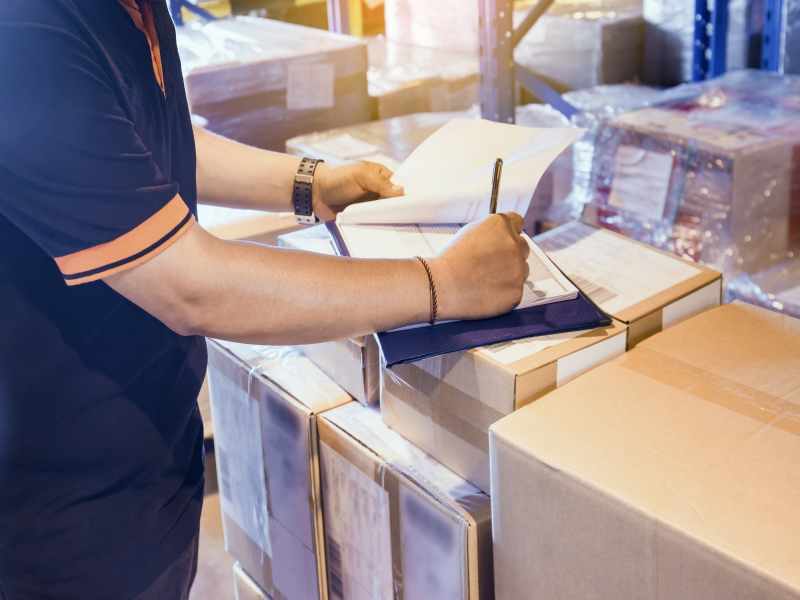
how long does a package take to clear customs?
Understanding the standard timelines helps manage expectations. If your package falls outside these ranges, it’s highly likely a delay factor has been triggered, which we will examine in detail:
Transport Method | Standard Clearance Time | Why the Difference? |
Air Freight (Express/Courier) | 1-24 hours | Faster electronic filing, smaller packages, and carriers with dedicated customs brokers on-site. |
Air Freight (Standard Cargo) | 1-3 days | Requires more thorough documentation checks; often handled in batches. |
Ocean Freight (LCL/FCL) | 1-4 days | High port congestion, requirement for physical offloading, and reliance on manual booking/dock scheduling. |
The timeframe for how long does a package take to clear customs is fundamentally driven by three core, interconnected factors:
The good news is that for most commercial imports, the clearance process is increasingly digitized, relying on pre-filing systems that allow customs brokers to begin the entry process long before the package physically arrives.
When a shipment is delayed, the status often changes from "In Customs" to "Clearance Delay" or "Customs Hold." This means the package has transitioned from routine processing to manual intervention, potentially stretching the timeline from days to weeks.
Documentation errors are overwhelmingly the most common reason for a shipment not clearing quickly. If the paperwork does not meet the standards of the importing country's regulations, customs authorities have no choice but to halt the shipment until the issue is resolved.
Not all holds are caused by mistakes. Sometimes, the delay is inherent to the type of cargo or a mandatory inspection protocol.
The time it takes for a package to clear customs can be impacted by factors outside your direct control, often related to port logistics and global events.

External and Seasonal Factors
The key to answering "how long does a package take to clear customs" with "fast" rather than "stuck" is to ensure compliance and proactive management. By addressing potential hold triggers before the goods ever leave the country of origin, you significantly reduce risk. For seamless global solutions, consider these three core strategies:
The most effective way to eliminate customs holds is to remove the primary delay culprit: paperwork errors.
Accurate product classification is the foundation of successful customs clearance and a non-negotiable part of international trade compliance.
Leveraging digital tools and expert partners is crucial for maintaining control and speed.

How long does a package take to clear customs
Once the package status changes from "In Customs" to "Clearance Completed" (or "Customs Released"), the administrative hold is lifted, and the cargo is physically released.
The shipment is immediately handed over to the local domestic carrier or trucking company responsible for the final delivery leg. The goods are transported from the air cargo facility or seaport container terminal to a local warehouse, distribution center, or directly to the consignee's final address.
It is crucial to remember that the domestic delivery time is separate from the customs clearance time. Once the package has cleared customs, the final delivery timeline depends on:
Generally, domestic shipping takes anywhere from 1 to 5 days after the clearance is completed.
If you want to know what this release means for your business, read our in-depth guide: What Does 'Customs Clearance Completed' Mean?
For businesses dependent on international trade, time is money. A delay of just a few days in customs can lead to missed production deadlines, penalties for late deliveries, and damaged customer goodwill.
EximGPT specializes in ensuring that the question "how long does a package take to clear customs?" always yields the fastest possible answer. We provide end-to-end global solutions that minimize risk and optimize every step of your import/export process:
By partnering with EximGPT, you transform customs clearance from a high-risk bottleneck into a seamless administrative checkpoint, ensuring your supply chain remains fluid and predictable.
Related post:
Discover how AI is transforming global trade with email automation, AI lead generation, and smart compliance solutions. Stay ahead with EximGPT.
We’ll explore the concept of sales funnel analysis, breaking down the key stages of the funnel, and offering strategies for.....

Among the top AI agents to watch, EximGPT stands out as the leading AI-powered platform designed specifically to empower exporters...
Understanding and personalizing your emails based on each area's cultural traits not only increases the response rate but also helps build more...
We use cookies
We use cookies to improve your experience, analyse traffic, and deliver personalised content and ads. Essential cookies for security and core functionality are always enabled. By clicking "Accept", you consent to our use of additional cookies.
For more information, see our privacy policy.