
Avoid costly export classification mistakes! Learn the top 7 errors businesses make and how to ensure compliance for seamless global trade
Davos Pham•6/1/2025
The phrase "customs clearance completed" is a powerful message in the world of logistics and international trade. For shippers, importers, and consumers eagerly tracking a package, this status update is the green light: it signifies that your shipment is no longer in regulatory limbo but is legally authorized to move toward its final destination.
Understanding what this status truly means—and, more importantly, the rigorous process required to achieve it—is essential for optimizing your supply chain and ensuring seamless global solutions. This guide will define the term, break down the complex customs journey, and detail the critical next steps after the clearance process is finished.
Custom Clearance – A Comprehensive Guide
The status "Customs Clearance Completed" is the official approval granted by a country's customs authority (such as the U.S. Customs and Border Protection or CBP). It signals the successful culmination of the formal customs clearance process.
Simply put: The shipment has successfully passed all regulatory screening, necessary duties and taxes have been settled, and the goods are released by the customs authority for onward transport and delivery.
This status confirms several vital elements for your shipment:
The opposite status is typically "Customs Clearance Started" or "Clearance Delay," which indicates the shipment is still undergoing inspection and processing.
For those involved in international trade, it is crucial to understand the subtle but significant distinction between the two terms:
Aspect | Customs Clearance | Customs Cleared (Completed) |
Definition | The process of getting goods approved by customs authorities. | The status that signifies the process is fully finished and the goods are authorized for delivery. |
Involvement | Involves active steps like document submission, tax assessment, and potential physical inspection. | All steps have been completed, and the file is closed. |
Status | Shipment is still in process; goods are physically held by or under the authority of customs. | Goods have passed all checks and are free to move. |
Achieving the "customs clearance completed" status is not automatic; it is the end result of a meticulous, multi-step administrative and logistical procedure. These steps are typically the responsibility of the Importer of Record (IOR) or a designated customs broker.
The entire customs clearance journey hinges on paperwork. Before the shipment even arrives, the importer or their customs broker must compile and submit a comprehensive set of documents to the customs authority.
Customs officials use digital systems like the Automated Commercial Environment (ACE) to review the submitted documents against the physical cargo and ensure compliance with international trade regulations.
Once documentation is submitted, customs officers perform a review to ensure the goods comply with local regulations, product restrictions, and trade agreements.
A fundamental part of customs clearance is the fiscal assessment. Duties and taxes are calculated based on three key factors:
The assessed charges must be paid before the goods can be released.
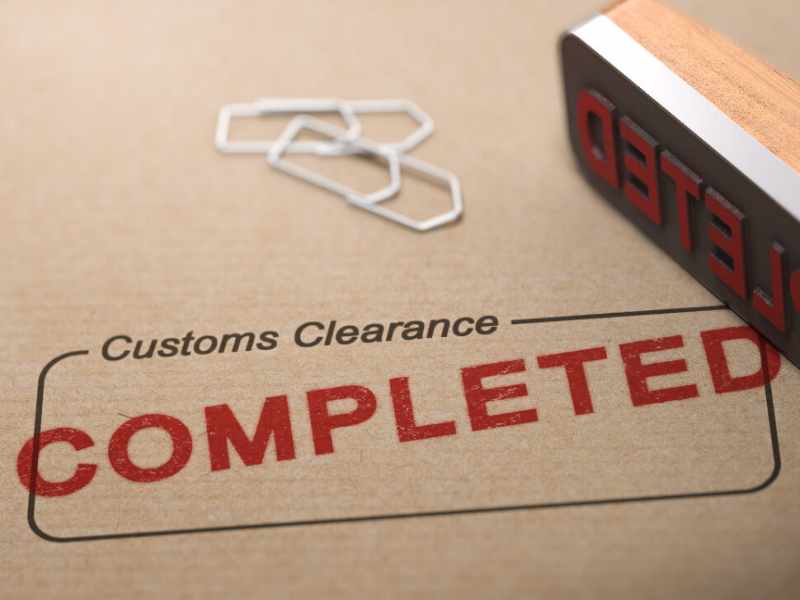
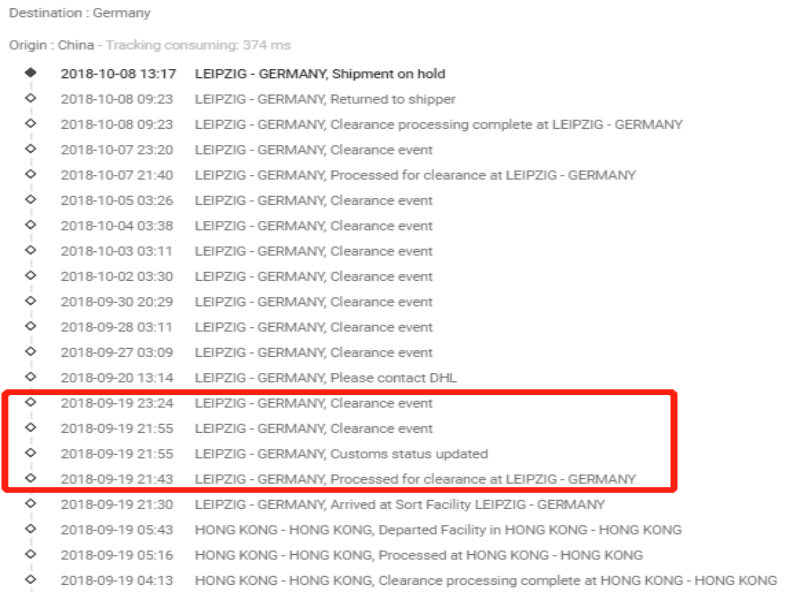
Once all inspections are complete, all documents are verified, and payment is confirmed, the customs authority issues a release order or clearance certificate. This is the moment your tracking status updates to "Customs Clearance Completed". The goods are now authorized to move out of the port's restricted area.
The customs authority issues a release order or clearance certificate
The completion of customs clearance is a major step, but it is not the end of the supply chain journey. Once the customs clearance completed status is achieved, the physical shipment moves into the domestic logistics network.
The immediate next steps involve physical movement and administrative closure:
For importers, responsibilities continue even after the package leaves customs custody:
The time from clearance to final delivery varies, but most packages move quickly once cleared. For most air freight, the goods can be on their way to final delivery within a few hours to a day. The delivery time largely depends on the domestic delivery service's efficiency and the distance to the final address.
Most packages move quickly once cleared.
While the phrase "Customs Clearance Completed" typically refers to the final import process, clearance is required at both ends of the supply chain:
If your status says "Customs Hold" or "Clearance Delay," it means a failure occurred in one of the steps above. The vast majority of delays are avoidable with advance planning.
Common culprits include:

The vast majority of delays are avoidable with advance planning
Navigating the complexities of customs, compliance, and international trade law can be daunting. Errors not only delay shipments but can lead to steep penalties, fines, and increased scrutiny in future imports.
A professional customs broker or trade compliance partner like EximGPT plays a critical role in ensuring your shipment is ready for the "Customs Clearance Completed" status before it ever leaves the port of origin.
How EximGPT Helps:
Achieving "customs clearance completed" is a milestone that accelerates your business, reduces cost, and improves customer satisfaction. Don't leave this critical stage to chance.
Related post:
Avoid costly export classification mistakes! Learn the top 7 errors businesses make and how to ensure compliance for seamless global trade

Among the top AI agents to watch, EximGPT stands out as the leading AI-powered platform designed specifically to empower exporters...
Exporters need a strategic and data-driven approach to identify and connect with potential buyers...
We use cookies
We use cookies to improve your experience, analyse traffic, and deliver personalised content and ads. Essential cookies for security and core functionality are always enabled. By clicking "Accept", you consent to our use of additional cookies.
For more information, see our privacy policy.