
Without access to real transaction data (customs shipments), every lead evaluation is based on guesswork. You can’t tell if a company has ever...
Davos Pham•6/1/2025
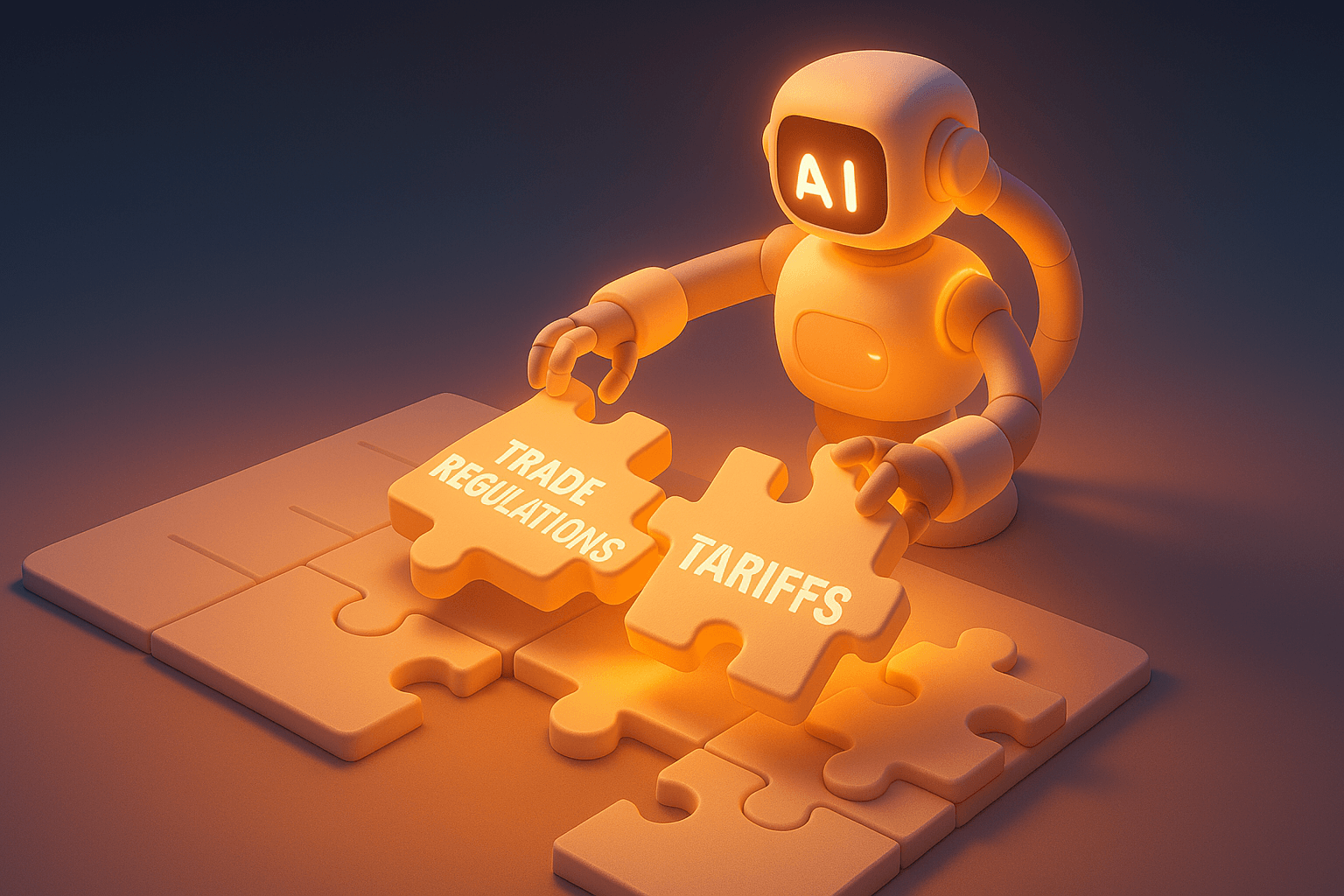
In today’s interconnected global economy, tariffs play a pivotal role in shaping international trade. A tariff is a tax or duty placed on imported goods by a government. While tariffs are commonly seen as a way to protect domestic industries, they also have broader implications for businesses engaged in global trade. Tariffs can influence pricing, market entry strategies, and even diplomatic relations between countries. For businesses involved in export-import activities, navigating tariffs and ensuring compliance is critical to maintaining smooth operations.
This article will delve into what tariffs are, why they matter, the different types of tariffs, and how EximGPT—an AI-powered trade platform—can help automate the process of tariff compliance, making global trade more efficient and cost-effective.
A tariff is essentially a tax imposed on goods imported into a country. These taxes can be levied in various ways and are used by governments to control the volume of imports, protect local industries, and generate revenue. The two primary reasons governments use tariffs are:
Tariffs are often included in trade agreements between countries, and their rates can fluctuate based on diplomatic or economic negotiations.
Tariffs help governments achieve specific policy objectives. For instance, by imposing tariffs on certain imports, a country may:
While these are some of the benefits, tariffs can also have negative consequences such as driving up prices for consumers, limiting choices, and straining international relationships.
Tariffs can take several forms, each with distinct characteristics:
A specific tariff is a fixed fee imposed on a quantity of imported goods. For example, a country may charge $5 per kilogram of steel imported.
An ad valorem tariff is based on the value of the imported goods, usually a percentage of the item’s price. For example, a 10% tariff on the value of imported smartphones.
A compound tariff combines both specific and ad valorem tariffs. For instance, an import might incur a $10 per unit fee plus 5% of its value.

Tariffs have a wide range of effects on businesses, consumers, and economies:
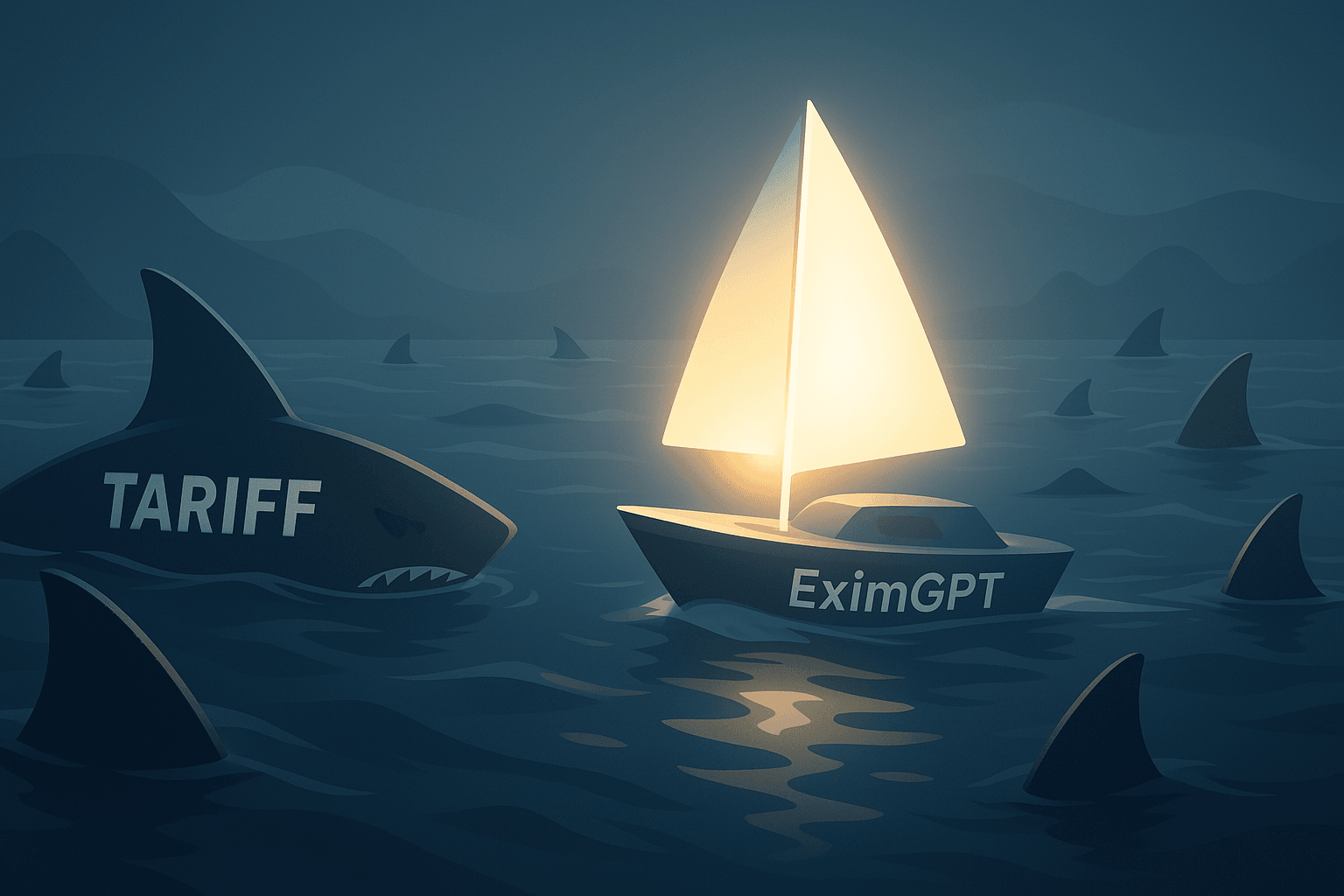
Navigating the complexities of tariffs can be challenging for businesses, especially small and medium-sized enterprises (SMEs) that don’t have the resources to keep up with constantly changing tariffs and regulations. Here’s where EximGPT comes in—an AI-powered platform designed to simplify and automate the trade process.
EximGPT allows businesses to automatically access real-time tariff data for products, ensuring accurate classification and cost calculation. The AI engine can pull up the latest tariffs based on product type, country of origin, and destination, helping businesses avoid costly mistakes.
While EximGPT cannot directly automate tariff compliance at the moment, it helps businesses conduct faster and deeper research into the impact of tariffs on their trade strategies. By analyzing tariff data, trade regulations, and market trends, EximGPT enables businesses to make more informed decisions when planning their international operations.
How it Helps: EximGPT provides businesses with detailed insights into how specific tariffs and trade regulations affect product pricing and supply chain decisions. This allows businesses to plan and adjust their strategies efficiently without the need for manual research.
EximGPT’s AI-powered platform helps businesses stay up-to-date with the latest changes in tariff regulations by gathering and analyzing information from global trade sources. This research capability helps businesses reduce the risk of non-compliance with ever-changing trade laws and regulations.
How it Helps: By researching relevant tariff and trade regulations, EximGPT ensures that businesses have access to the most current information to maintain compliance, avoid potential penalties, and make smarter decisions in their operations.
Tariffs are a crucial part of international trade, but they can be complex and costly to manage. By leveraging EximGPT’s AI-powered platform, businesses can automate tariff compliance, reduce risks, and streamline the process of navigating global trade regulations.
With real-time tariff lookups, predictive analytics, and automated compliance tools, EximGPT helps businesses lower costs, ensure faster shipping, and make smarter decisions in their trade operations.
📢 Ready to automate your tariff compliance and streamline global trade operations? Start using EximGPT today to harness the power of AI for smarter trade management.
Without access to real transaction data (customs shipments), every lead evaluation is based on guesswork. You can’t tell if a company has ever...
Discover how AI is transforming global trade with email automation, AI lead generation, and smart compliance solutions. Stay ahead with EximGPT.
Without access to real transaction data (customs shipments), every lead evaluation is based on guesswork. You can’t tell if a company has ever...
Discover how AI is transforming global trade with email automation, AI lead generation, and smart compliance solutions. Stay ahead with EximGPT.
We use cookies
We use cookies to improve your experience, analyse traffic, and deliver personalised content and ads. Essential cookies for security and core functionality are always enabled. By clicking "Accept", you consent to our use of additional cookies.
For more information, see our privacy policy.