Explore India’s shift from protectionism to global capitalism. Analyze the EFTA deal, export challenges, the roadmap to becoming an FTA powerhouse.
Exim GPT•12/17/2025
As a nation of paradoxes, India presents a curious case: despite being the only country with an ocean named after it, why has the Indian maritime sector historically lagged behind global leaders? While India’s coastline stretches over 7,500 km, its domestic shipping and shipbuilding industries are only now beginning to reclaim their historical significance.
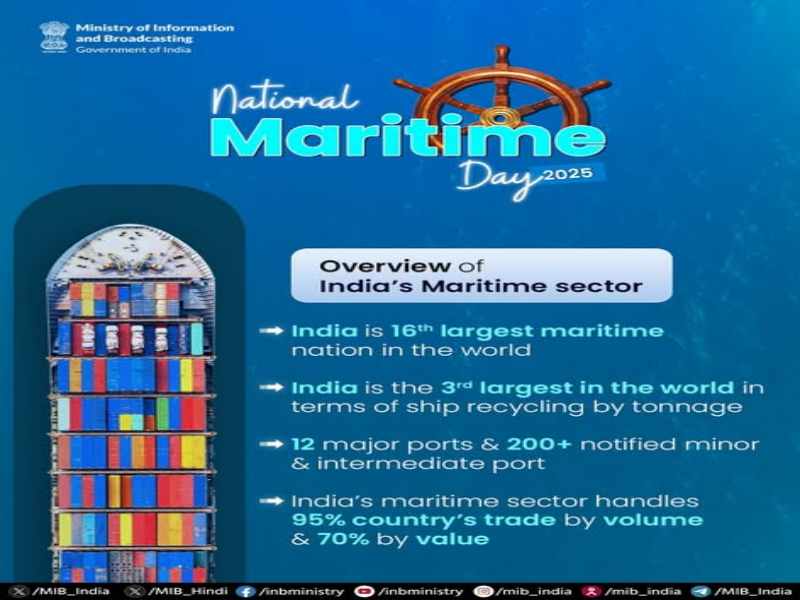
As India targets a $5 trillion economy, the Indian maritime sector has emerged as a critical pillar for sustainable growth and global trade dominance. With over 95% of India’s trade volume moving through its 7,500 km coastline, the transition from a "coastal nation" to a "maritime power" is well underway. Backed by the Sagarmala Project and the ambitious Maritime India Vision 2030, the industry is currently undergoing a massive structural transformation, offering unprecedented opportunities for investors in shipbuilding, port logistics, and green shipping technologies.
Currently, India’s maritime infrastructure handles approximately 95% of the country’s trade by volume. However, the ownership of the vessels carrying this trade tells a different story.
This reliance on foreign vessels makes India’s supply chain—from petroleum to electronics—vulnerable to global disruptions. To reach the goal of becoming the world’s third-largest economy by 2030, a robust national fleet is an absolute strategic necessity.
The landscape is shifting from purely public-sector dominance to a more competitive private-sector presence. Below is a comparison of the leading players in the Indian maritime sector as of late 2025.
Company Name | Market Cap (₹ Cr) | Primary Focus | Fleet Size/Status |
Great Eastern Shipping | ~15,800 | Crude, Gas, & Bulk | Largest private fleet (~40+ ships) |
Shipping Corp. of India | ~10,100 | Diverse Logistics | Government-backed; 59+ vessels |
Mazagon Dock | ~95,000 | Defense/Warships | Massive ₹38k Cr order book |
Cochin Shipyard (CSL) | ~53,000 | Shipbuilding/Repair | Building India’s Aircraft Carriers |
Seamec Ltd | ~2,500 | Niche Offshore | Leader in multi-support vessels |
The landscape is shifting from purely public-sector dominance to a more competitive private-sector presence. Below is a comparison of the leading players as of late 2025.
Company Name | Market Cap (₹ Cr) | Primary Focus | 2025 Growth Driver |
Mazagon Dock | ~95,000 | Defense/Submarines | Naval indigenization orders |
Cochin Shipyard | ~53,000 | Commercial & Green Ships | ₹18,090Cr Financial Assistance |
Great Eastern Shipping | ~15,800 | Crude & Product Tankers | High global freight rates |
Shipping Corp. of India | ~10,100 | Bulk & Container | Strategic disinvestment talks |
Garden Reach (GRSE) | ~34,700 | Modular Shipbuilding | Export-oriented defense contracts |
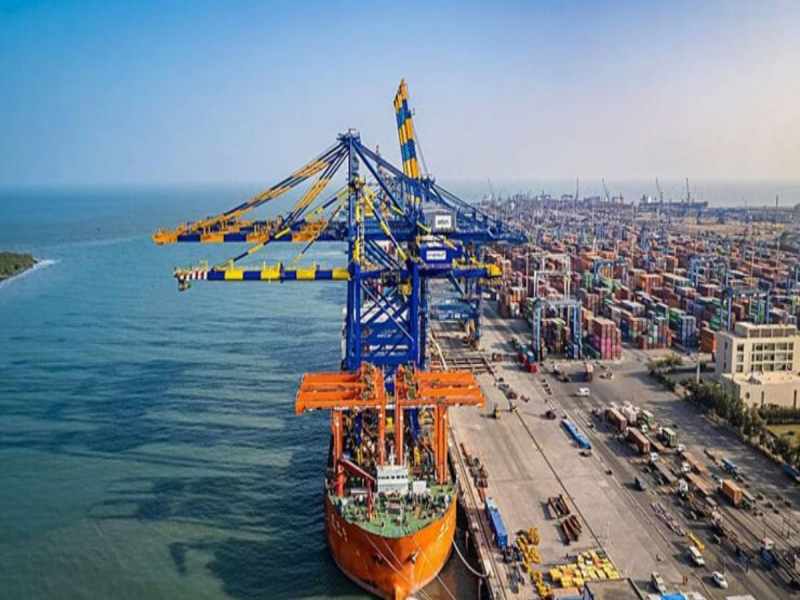
The government has recognized these vulnerabilities, launching the Maritime India Vision 2030 and the Sagarmala Project. These initiatives aim to modernize port infrastructure and reduce logistics costs.
By reclassifying large ships as infrastructure, the government has enabled lower taxes and easier access to low-cost financing, which are critical for long-term growth in the Indian maritime sector.
The landscape is shifting from purely public-sector dominance to a more competitive private-sector presence. While the Shipping Corporation of India (SCI) remains a major player, private firms like Great Eastern Shipping have seen significant growth. In the defense and shipbuilding space,Mazagon Dock Shipbuildersand Cochin Shipyard (CSL) are leveraging massive order books to expand into civilian markets.
Despite the optimism, investors should note that the Indian maritime sector faces high operational costs—25–30% higher than competitors in China or South Korea. Profitability is also tied to volatile global freight rates and the long gestation periods required for ship construction.
One of India’s greatest strengths is its workforce. India provides nearly 10% of the global maritime workforce, ranking only behind China and the Philippines. With world-class training institutions already in place, India is perfectly positioned to fill the global labor gap caused by recent geopolitical shifts.
For those tracking India's economic infrastructure, the maritime sector represents a high-stakes, high-reward frontier. With strategic policy momentum and a focus on "Made in India" vessels, the tide is finally turning.
Related Post:
Explore India’s shift from protectionism to global capitalism. Analyze the EFTA deal, export challenges, the roadmap to becoming an FTA powerhouse.
Discover how AI is transforming global trade with email automation, AI lead generation, and smart compliance solutions. Stay ahead with EximGPT.

Discover how AI agents automate business tasks, enhance efficiency, and optimize global trade. Learn how EximGPT changes AI-driven trade operations.
Explore India’s shift from protectionism to global capitalism. Analyze the EFTA deal, export challenges, the roadmap to becoming an FTA powerhouse.
Discover how AI is transforming global trade with email automation, AI lead generation, and smart compliance solutions. Stay ahead with EximGPT.
Discover how AI agents automate business tasks, enhance efficiency, and optimize global trade. Learn how EximGPT changes AI-driven trade operations.
We use cookies
We use cookies to improve your experience, analyse traffic, and deliver personalised content and ads. Essential cookies for security and core functionality are always enabled. By clicking "Accept", you consent to our use of additional cookies.
For more information, see our privacy policy.