
Avoid costly export classification mistakes! Learn the top 7 errors businesses make and how to ensure compliance for seamless global trade
Davos Pham•6/1/2025
The completion of customs clearance is often the final major bureaucratic hurdle in international trade. Once the shipment is released by customs, shippers, importers, and end customers are invariably focused on one crucial question: after customs clearance, how long does it take to deliver?
The short answer is: it depends. Delivery time after clearance can range from as little as a few hours to several days, depending on a complex set of factors related to domestic logistics, geographical distance, and the efficiency of the supply chain. Understanding these variables is key to setting realistic expectations and optimizing your lead times for better global solutions.
This guide breaks down the post-clearance timeline, helping you accurately estimate delivery and streamline the final mile of your supply chain.
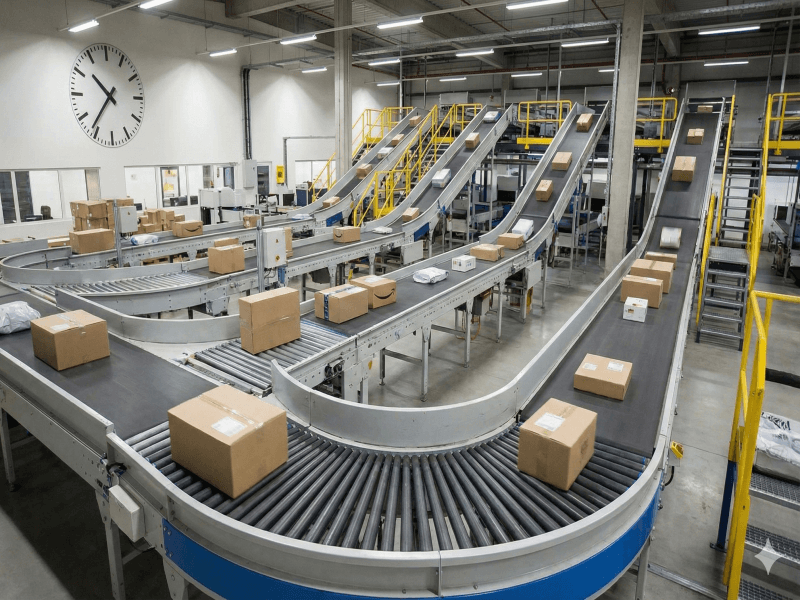
The final delivery window is influenced by external infrastructure, internal processes, and the mode of domestic transport. Here are the key determinants:
Even with customs approval, the shipment must be physically removed from the port or airport terminal. This process, known as drayage, is subject to port operational efficiency.
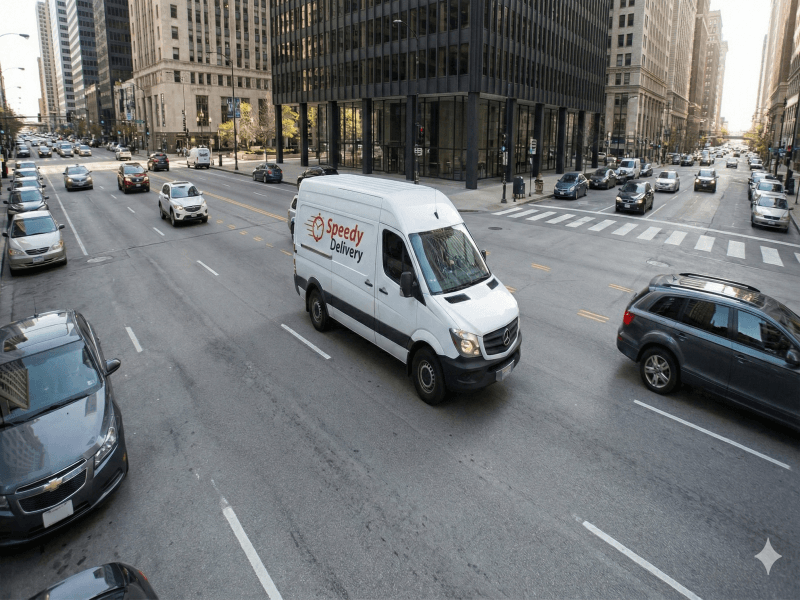
The distance and method used for the domestic leg of the journey are the most direct factors influencing the final delivery time.
Transport Mode | Typical Transit Time (After Pickup) | Notes |
Local Trucking (within 500 miles) | 1-2 days | Generally the fastest and most flexible option for regional delivery. |
Domestic Rail (Intermodal) | 3-7 days | Used for long distances (e.g., coast-to-coast), requiring additional time for transfers between truck and rail. |
Air Freight (Domestic Transfer) | Less than 1 day | For extremely urgent cargo moving between major domestic air hubs. |
Action Point: Pre-book your drayage and domestic trucking capacity well in advance of the expected customs clearance date to minimize wait times at the terminal.
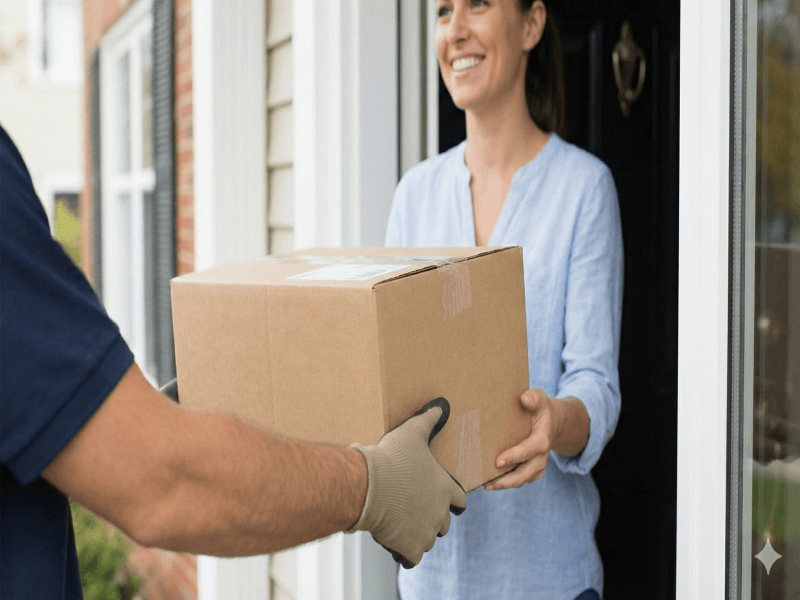
The ultimate destination—whether a large distribution center (DC), a small retail store, or a direct residential address—impacts the complexity and speed of the delivery.
To gain a competitive edge, focus on eliminating "idle time" in the supply chain once the goods are released.
The time spent processing the post-clearance handoff can be significantly reduced through technology and coordination.
For frequent importers, strategically positioning a temporary warehouse or container freight station (CFS) close to the port can drastically cut drayage costs and time. The cargo can be moved quickly to the nearby facility for deconsolidation and inspection, and then forwarded to the final destination on a separate schedule.
In the era of real-time supply chain management, knowing after customs clearance, how long does it take to deliver requires advanced tracking and predictive analytics.
EximGPT-integrated systems provide the global solutions needed to manage this window effectively:
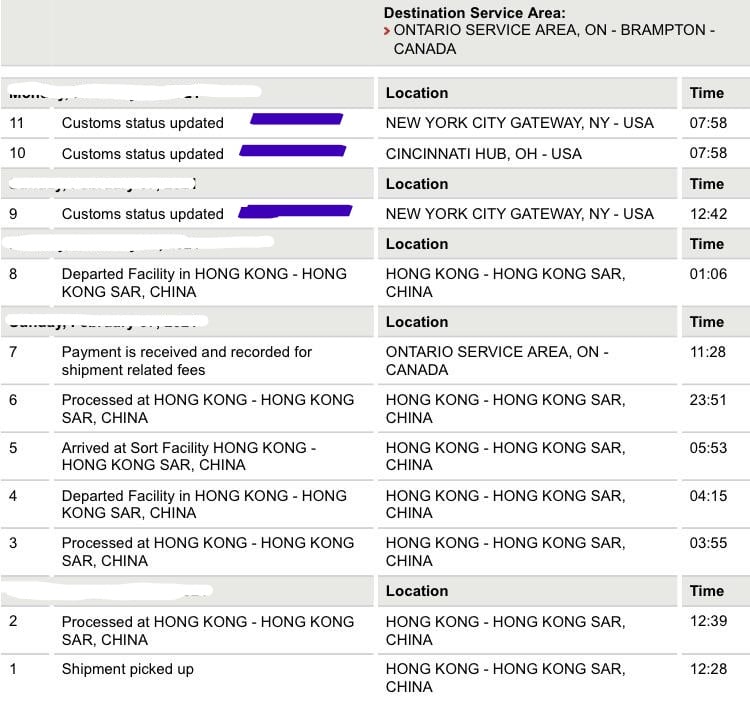
The time it takes to deliver goods after customs clearance, how long does it take to deliver is primarily a function of logistical coordination and domestic transport distance. While the customs process can be unpredictable, the post-clearance phase is largely controllable. By optimizing drayage, securing reliable domestic carriage, and leveraging integrated logistics technology, companies can significantly compress this final delivery window, turning what is often a period of uncertainty into a source of competitive advantage in international trade.
For personalized logistics planning and guaranteed delivery times after customs clearance, consult with your EximGPT-enabled logistics partner to leverage the best global solutions available.
Ready to experience sales without limits? Discover how Exim AI Agent can help you scale faster, smarter, and farther than ever before.
Contact us or sign up for a demo today!
Related post:
Avoid costly export classification mistakes! Learn the top 7 errors businesses make and how to ensure compliance for seamless global trade
From streamlining supply chains to enhancing market forecasting, AI is playing an increasingly crucial role in shaping the future of....
Finding the right buyers, reaching out effectively, and building long-term relationships are no longer optional—they are essential for success...
We’ll explore the concept of sales funnel analysis, breaking down the key stages of the funnel, and offering strategies for.....
We use cookies
We use cookies to improve your experience, analyse traffic, and deliver personalised content and ads. Essential cookies for security and core functionality are always enabled. By clicking "Accept", you consent to our use of additional cookies.
For more information, see our privacy policy.