Discover how AI is transforming global trade with email automation, AI lead generation, and smart compliance solutions. Stay ahead with EximGPT.
Davos Pham•6/1/2025
What Is Artificial Intelligence? Is artificial intelligence (AI) just sci-fi hype, or is it the engine driving your industry?
While movies depict AI as rogue robots, the reality in 2025 is far more practical—and profitable. From predictive algorithms in finance to generative tools in healthcare, AI has evolved from a buzzword into a fundamental utility.
This guide breaks down exactly what AI is, how the technology functions, and the tangible benefits (and challenges) reshaping our world today.
Artificial Intelligence (AI) is the simulation of human intelligence processes by computer systems. These processes include learning (acquiring information and rules for using it), reasoning (using rules to reach approximate or definite conclusions), and self-correction.
In simpler terms, AI involves creating software "smart" enough to perform complex tasks—such as problem-solving, perception, and linguistic understanding—without the need for constant human intervention.

At its core, AI operates by combining large datasets with intelligent, iterative processing algorithms. This allows the software to learn from patterns and features in the data.
The workflow generally follows three steps:
Note: Real AI requires specialized hardware, including GPUs and Tensor Processing Units (TPUs), to handle the immense computational load required for processing neural networks.
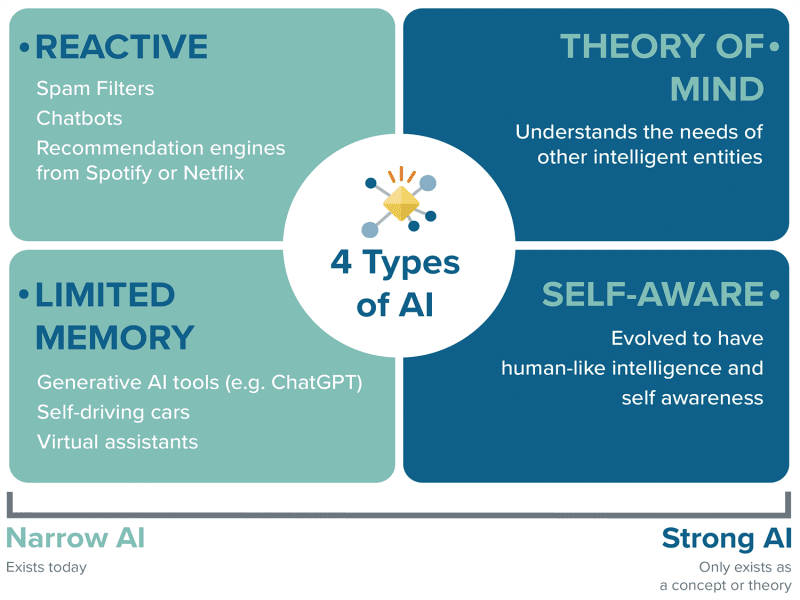
While we often categorize AI broadly as "Weak" or "Strong," 2025 industry standards break it down by capability and functionality.
This is the most basic form of AI. It reacts to specific inputs with predictable output. It has no memory and cannot use past experiences to inform current decisions.
This is the standard for most modern AI applications. These systems can look into the past and use historical data to make decisions.
A more advanced (and largely theoretical) concept where machines understand human emotions, beliefs, and social interaction nuances.
The pinnacle of AI development—machines that possess consciousness and self-awareness.
AI is no longer just about automation; it is about augmentation. It allows humans to exceed current productive capacities.
AI is omnipresent. Here is how it is transforming key sectors right now:
AI is revolutionizing diagnostics. Algorithms can now scan X-rays and MRIs to identify anomalies (like early-stage tumors) often with greater accuracy than human radiologists. Additionally, AI helps manage patient records and predict hospital admission rates.
High-frequency algorithmic trading uses AI to analyze market trends in milliseconds. Financial institutions also use "Expert Systems" to detect fraud by spotting unusual transaction patterns instantly.
Gone are the days of predictable enemies. Modern AI drives Non-Player Characters (NPCs) that adapt to your playstyle, creating dynamic and realistic challenges.
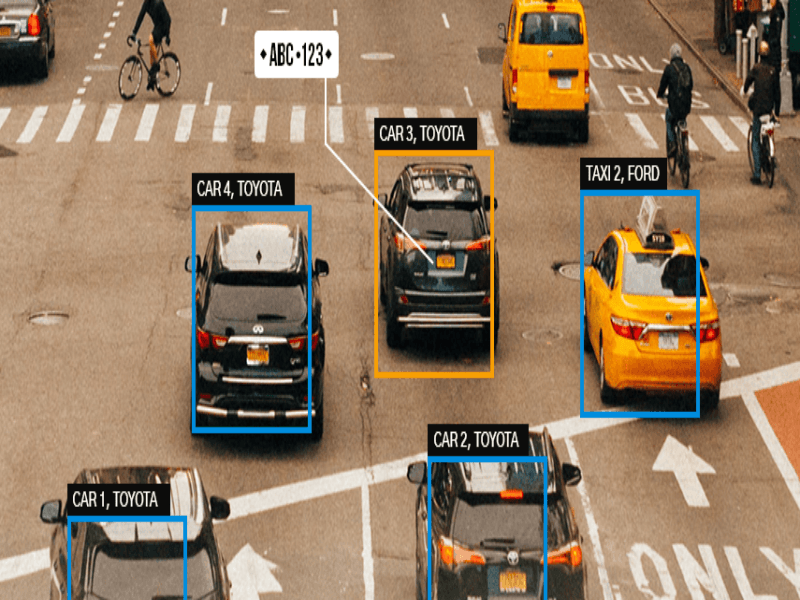
Self-driving technology utilizes computer vision and deep learning to navigate roads, predict driver behavior, and improve safety protocols in real-time.
Despite the benefits, the adoption of Artificial Intelligence faces significant hurdles:
Artificial Intelligence is not a replacement for humanity, but a powerful toolset for it. Whether through Narrow AI that optimizes your email inbox or Generative AI that helps draft business strategies, the goal remains the same: maximizing efficiency and solving complex problems.
As we move through 2025, the organizations that succeed will be those that learn to collaborate with machines, rather than compete against them. Recent data from the [Stanford Institute for Human-Centered AI (HAI)] suggests that the collaboration between human operators and AI agents will define the next decade of productivity.
Ready to Future-Proof Your Business Strategy? Artificial Intelligence is moving fast, but you don’t have to navigate it alone. Whether you need to automate workflows or integrate machine learning into your customer service, our team is ready to help. [Schedule Your Free AI Readiness Audit Today]
Relates Post:
Discover how AI is transforming global trade with email automation, AI lead generation, and smart compliance solutions. Stay ahead with EximGPT.

Among the top AI agents to watch, EximGPT stands out as the leading AI-powered platform designed specifically to empower exporters...
Exporters need a strategic and data-driven approach to identify and connect with potential buyers...

In reality, depending only on general AI leads to major issues: inaccurate data, misguided strategies, and even lost business opportunities...

Discover how AI is revolutionizing B2B lead generation by automating finding, scoring, and outreach. Learn how EximGPT supports trade lead automation
Discover how AI is transforming global trade with email automation, AI lead generation, and smart compliance solutions. Stay ahead with EximGPT.
Among the top AI agents to watch, EximGPT stands out as the leading AI-powered platform designed specifically to empower exporters...
Exporters need a strategic and data-driven approach to identify and connect with potential buyers...
In reality, depending only on general AI leads to major issues: inaccurate data, misguided strategies, and even lost business opportunities...
Discover how AI is revolutionizing B2B lead generation by automating finding, scoring, and outreach. Learn how EximGPT supports trade lead automation
We use cookies
We use cookies to improve your experience, analyse traffic, and deliver personalised content and ads. Essential cookies for security and core functionality are always enabled. By clicking "Accept", you consent to our use of additional cookies.
For more information, see our privacy policy.