Discover how AI is transforming global trade with email automation, AI lead generation, and smart compliance solutions. Stay ahead with EximGPT.
Davos Pham•6/1/2025

Import vs export—these two terms form the fundamental basis of international trade. While seemingly straightforward, mastering the differences in procedures, compliance, and strategic implications is crucial for any business seeking profitable expansion in the global marketplace. Understanding these distinctions is the first step toward leveraging modern global solutions to streamline your supply chain and maximize profit margins. This guide provides an authoritative deep dive into the world of import vs export, compliance, and the critical role of technology in bridging the gaps.
Understanding import and export
At its simplest, import vs export describes the flow of goods across national borders:
The sheer complexity surrounding documentation, tariffs, and logistics makes both processes challenging, demanding specialized knowledge in international trade compliance.
Compliance differs dramatically depending on which side of the transaction you are on.
A key differentiator when analyzing import vs export risk is the impact of government intervention:
Tariffs are taxes imposed by a government on import goods or services.
Both importers and exporters must navigate trade barriers. This concept encapsulates factors that restrict or impede international trade.
International trade policy governs the exchange of goods and services between countries
Customs clearance is the bottleneck of global trade, and the processes for import vs export are distinct in their administrative requirements.
A status often searched is what does customs clearance completed mean.
Beyond compliance, the business models for import vs export companies differ significantly.
The complexity of import vs export is rapidly being addressed by global solutions leveraging AI:
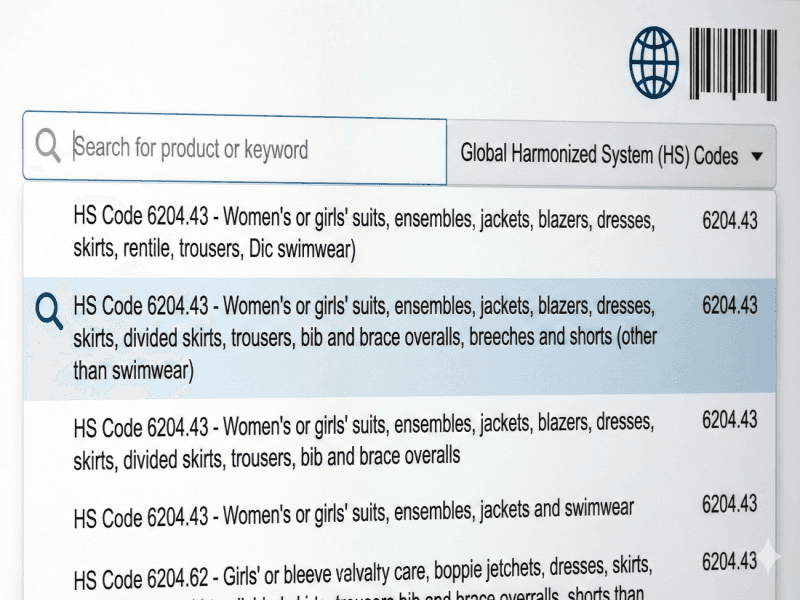
AI Agents can automatically find HS code with higher accuracy than human
Eximgpt is designed as an ai-powered import/export platform to simplify the entire international trade lifecycle. We provide the tools to transition your business from managing complexities to leveraging global solutions for growth. By automating key tasks like find HS code and managing the documentation for both import vs export procedures, we ensure compliance and efficiency.
Stop guessing and start optimizing. Contact Eximgpt today to transform your import vs export operations into a streamlined, AI-powered competitive advantage.
Discover how AI is transforming global trade with email automation, AI lead generation, and smart compliance solutions. Stay ahead with EximGPT.

Avoid costly export classification mistakes! Learn the top 7 errors businesses make and how to ensure compliance for seamless global trade

Bust common lead gen myths! Learn how EximGPT uses AI, sale automation, and import export data to help exporters find real qualified leads.
Email automation refers to the use of software to send pre-scheduled, targeted, and personalized emails to customers and prospects....
Discover how AI is transforming global trade with email automation, AI lead generation, and smart compliance solutions. Stay ahead with EximGPT.
Avoid costly export classification mistakes! Learn the top 7 errors businesses make and how to ensure compliance for seamless global trade
Bust common lead gen myths! Learn how EximGPT uses AI, sale automation, and import export data to help exporters find real qualified leads.
Email automation refers to the use of software to send pre-scheduled, targeted, and personalized emails to customers and prospects....
We use cookies
We use cookies to improve your experience, analyse traffic, and deliver personalised content and ads. Essential cookies for security and core functionality are always enabled. By clicking "Accept", you consent to our use of additional cookies.
For more information, see our privacy policy.